Description
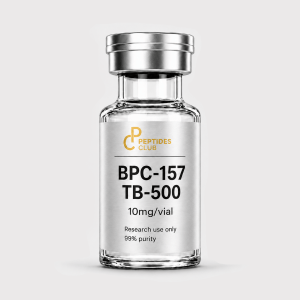
TB-500 is a synthetic peptide fragment related to thymosin beta-4, a naturally occurring peptide involved in cell movement, inflammation control and tissue-repair processes.
It is commonly chosen by active people who want additional support for:
- Muscle, tendon and ligament recovery
- Joint mobility and flexibility
- Recovery following strains or overuse
- Managing inflammation around stressed tissues
- Returning to training alongside a proper rehabilitation plan
TB-500 should support—not replace—rest, physiotherapy, stretching and professional injury assessment.
Recommended Dosage
Low: 100mcg per day
Average: 200–250mcg per day
High: 400mcg or more per day
These amounts are general references only. Begin conservatively and use TB-500 with appropriate professional guidance.
Administration
TB-500 is commonly administered by subcutaneous injection. Some users choose an injection site near the affected area; however, it has not been established that local administration produces better results than another suitable SubQ site.
Combining TB-500
For broader recovery support, TB-500 is commonly paired with:
- BPC-157 for soft-tissue recovery
- GHK-Cu for skin and tissue regeneration
- KPV or KLOW for inflammation support
- HGH or CJC-1295 DAC with Ipamorelin for wider recovery support
The safety of combining TB-500 with every peptide has not been established. Consider possible interactions and seek professional advice before creating a multi-product protocol.
When to Expect Results
There is no fixed timeline. Results may depend on your individual response, how recent or severe the injury is, and whether you are following an effective rehabilitation programme.
Do not keep increasing the dose to manage an injury that is not improving. Persistent pain, weakness or limited movement may indicate an underlying problem that requires medical assessment, imaging or surgical treatment.
Summary
TB-500 is designed for people seeking additional support for tissue recovery, mobility and inflammation management. It is best used as part of a complete recovery plan that includes appropriate training modifications and rehabilitation.